Linen, your ally for summer: benefits and characteristics of this material
Summer is synonymous with lightness, comfort, and casual elegance. Among the materials that perfectly embody this spirit, linen stands out as a must-have in the men's wardrobe. Natural, breathable, and timeless, linen is much more than just a fabric: it is a way of life.
At Harold Paris, we believe in sustainable and refined elegance, and linen is one of its best ambassadors. Discover in this article why this material deserves a special place in your summer wardrobe.

source: freepik
What is linen?
The origins of linen
Linen, used since Antiquity, is a natural fiber that comes from the flax plant. Known for its lightweight and breathable properties, it was once mainly grown in temperate regions. Today, it is praised for its ability to offer comfort and freshness, making it an ideal material for the summer wardrobe.
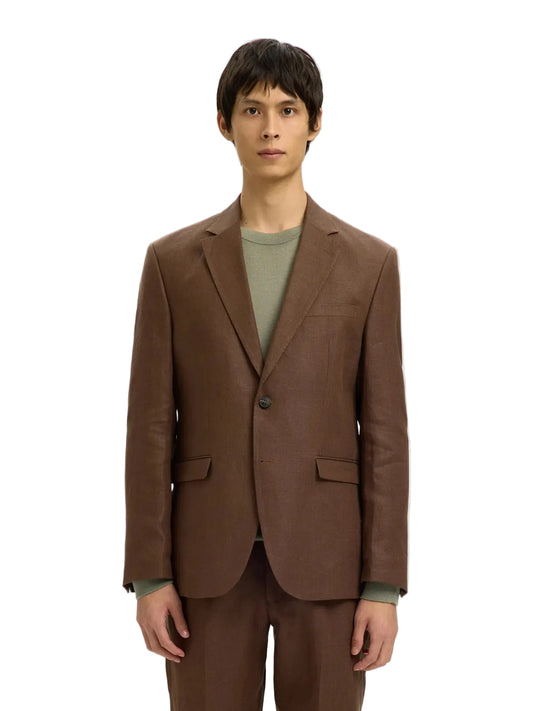
Linen is also a preferred choice for summer suits, offering a perfect balance between elegance and comfort. Its breathable and thermoregulating power makes it ideal for hot days, while ensuring a refined look. Whether for a casual or more formal occasion, linen allows you to stay cool without compromising your style.

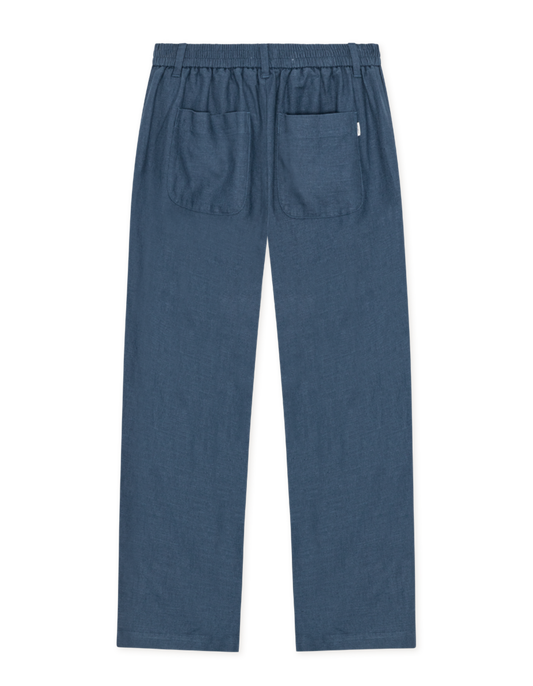
An excellent example of this balance: our classic and timeless suit from Selected: The Blazer Slim Linen Blend Oasis and the Slim Linen Blend Oasis trousers. This linen set, perfect for a wedding or any other summer event, embodies both comfort and sophistication. There is also the linen suit from the brand Les Deux, with its Patrick Linen trousers and its James Linen blazer that will give you style for any occasion.
To discover more essential pieces for a wedding, feel free to check out our article on the wedding essentials.
The advantages of linen
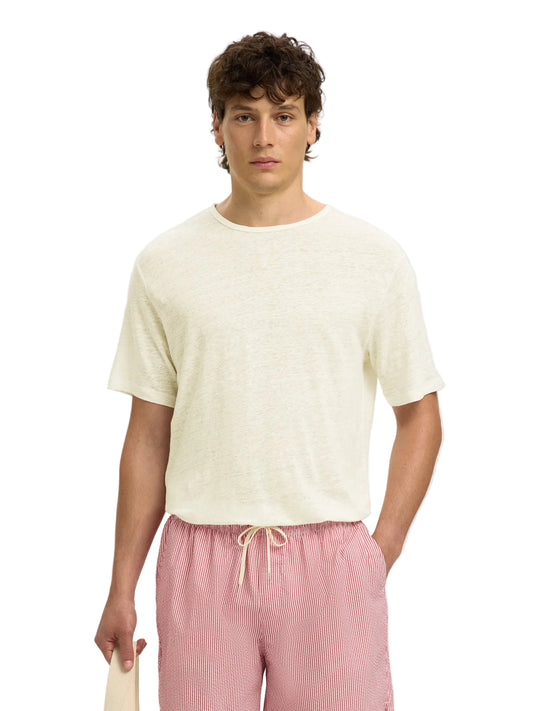
Linen is a natural fiber with many advantages, especially appreciated during the summer months. Its lightness and ability to breathe help keep you cool even in hot weather. Linen absorbs moisture and regulates body temperature, offering optimal comfort. Moreover, its slightly wrinkled texture gives it a subtle elegance, suitable for both casual and sophisticated outfits.
- Linen is a thermoregulating fiber, providing a feeling of coolness in summer while helping to retain heat in winter, making it a preferred choice for home linens.
- Hypoallergenic and recommended by allergists, it respects sensitive skin and prevents the proliferation of dust mites, ideal for people suffering from eczema.
- Finally, it is recognized as one of the most resistant natural fibers. Linen does not pill, does not deform, and becomes softer with each wash. It absorbs up to 20% moisture without damage and dries quickly, perfect for summer days and outdoor activities.
Linen: A sustainable material
Why is linen ecological?
Each year, about 290,000 tons of linen are produced, representing 2.4% of the global fiber production.
Europe, especially France (Normandy, Picardy, Nord-Pas-de-Calais, Île-de-France), produces more than two-thirds of this amount. Linen is an environmentally friendly crop, requiring few chemicals and water, as rainwater is sufficient for its growth. This fiber is biodegradable, recyclable, and the processing methods are mechanical, without the use of chemicals, making it a sustainable option for fashion.

In addition to its ecological benefits, linen is also a strong and durable fabric. Linen clothing improves with time, becoming more flexible and pleasant with each wash. For example, the Patrick Linen pants from Les Deux are an excellent choice if you want to invest in clothes that will last several seasons.
The production of linen
Linen is a natural fiber whose cultivation and processing follow a unique process, combining tradition and environmental respect. From its cultivation in Europe, mainly in France, to its transformation into fabric, each step plays a key role in the quality of the final product.
-
Cultivation: France is the world's leading linen producer, with 120,000 hectares cultivated each year. It grows in 100 days under a humid climate and blooms in June.
-
Retting: After harvesting by pulling, the plant naturally rests in the field for two to three months, exposed to sun and rain to separate its fibers.
-
Retting & Spinning : Retting extracts the long fibers, essential to the fabric's quality. Although spinning has been relocated, a return to France is underway.
- Weaving: Some French companies continue the tradition of weaving, ensuring artisanal expertise and local production of quality.
An example of a product made from this quality natural fiber: the shirt Regular New Linen Shirt LS Classic by Selected, an elegant and timeless shirt that highlights the benefits of linen.

Caring for your linen clothes
Linen is a natural fiber known for its strength and durability. Proper care not only preserves its quality but also improves its softness over time. Here are some recommendations for washing your linen textiles.
Washing tips
Linen tolerates machine washing well. It is recommended to wash your linen items at a temperature of 40 degrees. High-quality, well-made pieces can even be washed up to 60 degrees, but it is better to favor lower temperatures to save water and energy.
Separate light colors from dark ones and avoid mixing linen with synthetic materials, as these can cause pilling that sticks to the linen fibers. Use a mild detergent, preferably natural, and avoid chlorine-based detergents that can yellow the fabric.
For hand washing, immerse the linen garment in lukewarm water with a small amount of mild detergent. Avoid soaking the fabric for too long to prevent excessive water absorption by the fibers. Gently rub stained areas without twisting or stretching the fabric, then rinse thoroughly with clear water.
Advice for drying and ironing
After washing, linen can be dried in different ways:
-
Air drying: It is recommended to air dry linen by laying clothes flat or hanging them on a hanger. This method helps preserve the garment's shape and minimize wrinkles.
- Machine drying: If you use a tumble dryer, choose a low temperature or delicate fabric program. Remove clothes from the dryer while still slightly damp to make ironing easier and avoid excessive wrinkling.
Ironing linen requires special attention:
-
Moisture: Linen irons more easily when slightly damp. If the garment is dry, use a spray bottle to lightly moisten it before starting to iron.
-
Iron temperature: Set your iron to a high temperature, suitable for linen. Make sure the iron is clean to avoid staining the fabric.
- Technique : Iron linen on the reverse side to prevent shine or glossy marks. For dark-colored linen fabrics, it is recommended to use a damp cloth (a damp cloth placed between the iron and the fabric) to avoid marks.
To guide you, we have prepared a practical care symbol guide, to help you understand washing, drying, and ironing symbols, and thus preserve the quality of your pieces.
Linen, the perfect combination of elegance and durability
Versatile, elegant, and durable, linen is much more than just a fabric: it is a quality choice for a refined and responsible summer wardrobe.
Thanks to its breathable, thermoregulating, and hypoallergenic properties, it combines comfort and aesthetics in all circumstances. Moreover, its low environmental impact and its longevity make it a preferred material for more sustainable fashion.

Model: Pascal / Photographer: Cédric Vanier
By adopting good care practices, you will extend the beauty and the resistance in your linen clothes. An investment that improves with time, for a natural elegance that goes through the seasons.
At Harold, we are convinced that linen perfectly embodies our vision of semi-luxury men's ready-to-wear, combining sophistication and responsibility.